
If you’ve ever rolled paint on a wall and wondered does paint dry darker or lighter, you’re asking the exact question most people think about the moment the first coat goes up. Wet paint can play tricks on your eyes. Sometimes it looks lighter, sometimes it looks deeper, and sometimes it looks like an entirely different color altogether.
The funny part is that these shifts aren’t random. They happen for specific reasons. Things like the type of paint you’re using, the primer underneath, the finish you picked, and even the weather outside shape the final shade once the paint settles.
Once you understand those moving pieces, getting the right color feels a lot simpler. You don’t have to cross your fingers or stare at your wall trying to guess what’s coming next. This guide walks you through the parts that actually affect the final look so you can feel solid about your color choices from the start.
Key Takeaways:
- Wet paint often looks lighter, and the final shade settles as solvents evaporate.
- Paint type, such as acrylic or latex, plays a big role in how dark or light the color dries.
- Sheen affects how much light reflects off the wall, which changes how the final color appears.
- Primer color influences whether the dried coat leans lighter or deeper.
- Temperature and humidity can shift how quickly paint dries and how the color settles.
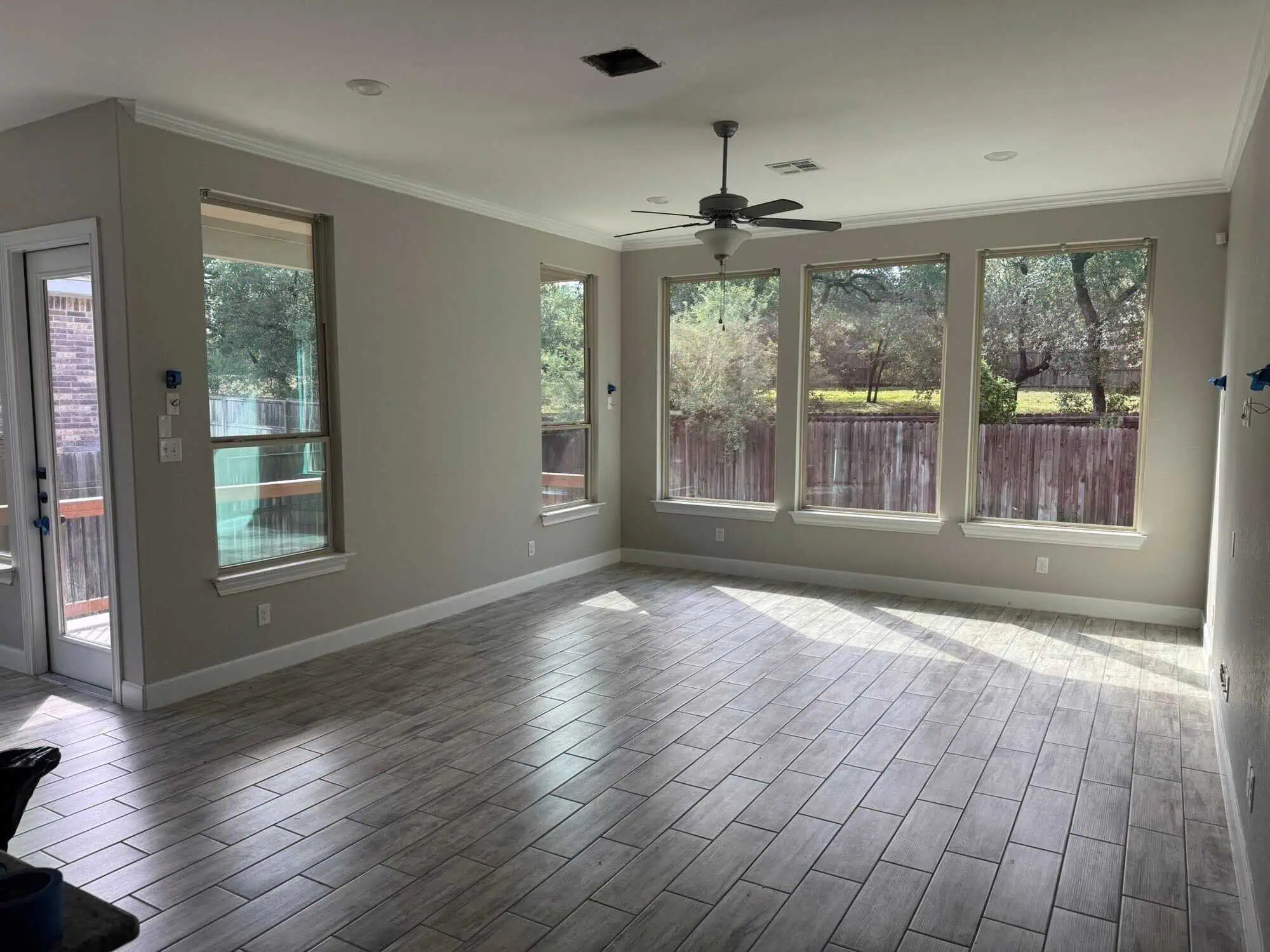
Why Wet Paint Looks Different Right Away
When people ask does paint dry darker or lighter, they usually notice the color changing within minutes. Wet paint reflects light differently, which makes it appear lighter at first. As water or solvent evaporates, pigments settle and the color deepens.
Light also interacts with sheen, texture, and primer underneath the coat. So the shift isn’t random, it’s part of the chemistry.
While you’re planning a room update in Fair Oaks, TX, understanding how these changes happen helps you avoid surprises later.
Paint Type And How It Impacts Color
Different paints have different formulas, and that influences whether the color ends up darker or lighter once dried.
Here’s a quick breakdown.
Acrylic Paint
- Dries fast
- Usually stays close to the wet color
- Acrylic paint works well on surfaces like wood trim, cabinets, or metal because adhesion is strong
- Often paired with a primer designed to support smooth color consistency
Latex Paint
- Water based and slower to dry
- Fully dried color can look darker than the wet coat
- Used often on interior walls, ceilings, and areas with stucco or siding
- Great choice for Fair Oaks, TX homes that get a lot of sunlight during the day
Oil Based Paint
- Dense pigment content
- Longer dry time gives the paint a deeper, richer look once cured
- Popular for high traffic rooms like hallways or bathrooms
- Can be helpful when covering surfaces that have uneven tones
Since each formula holds pigments differently, understanding the paint type answers a big piece of does paint dry darker or lighter.
If you are comparing coverage or planning multiple rooms, tools like paint coverage calculator can help you map out how much material you actually need.
Sheen And Why It Changes The Final Color
Sheen affects how much light bounces off the surface. This changes how your eyes perceive the color once it dries.
Gloss
- Highly reflective
- Makes the paint appear slightly darker
- Shows imperfections more
Satin
- Soft reflection
- Often dries a little darker once cured
- Popular for kitchens, bathrooms, and trim
Eggshell Or Matte
- Low reflection
- Looks lighter compared to glossier finishes
- Works well on larger walls or uneven surfaces
If you’re choosing finishes for different rooms, especially ones with changing natural light, this is where a resource like sheen finish for each room becomes helpful.
How Primer Color Changes The Final Shade
Primer is more than just an extra coat under paint. It influences the way pigments settle.
White Primer
- Brightens lighter colors
- Ideal for off whites, pale greens, soft blues, or beiges
Gray Primer
- Balances bold or deep colors
- Helps the paint dry closer to the swatch
- Reduces unwanted lightening
Primer color is one of the most overlooked parts of does paint dry darker or lighter, especially when homeowners don’t realize how much it impacts how pigments settle.
If you’ve ever seen a room turn out unexpectedly bright or deep, primer is often the reason.
The Second Coat Effect
A lot of people notice that the second coat looks darker and wonder if it’s normal. It is.
A second coat does the following:
- Adds more pigment density
- Reduces light passing through the surface
- Eliminates the impact of the primer peeking through
- Improves adhesion for a clean finish
The result is a richer, fully finished color that matches the paint swatch far better than the first coat.
This is one of the reasons professional painters rarely stop after one coat. Consistency matters.
How Temperature And Humidity Affect Drying
Fair Oaks, TX weather can shift fast, and these changes directly influence does paint dry darker or lighter.
High Humidity
- Slows evaporation
- Makes paint dry darker
- Can leave uneven patches
Low Humidity
- Speeds up drying
- Top layer dries faster than the bottom
- Can lead to cracking or texture issues
Cooler Temperatures
- Extend dry time
- Allow pigments to settle deeper
- Make the color look darker
Hot Conditions
- Paint skins too fast
- May cause shade inconsistencies
Any surface from masonry to concrete or siding reacts differently based on heat and moisture. Even windows and trim painted with acrylic paint can shift if humidity spikes midday.
Weather plays a clear role in the final answer to does paint dry darker or lighter, especially in Texas.
Light And Room Conditions
Light changes everything.
Natural sunlight pulls out undertones you may not see in store lighting. Overhead lighting inside can also cast warm or cool tones.
To avoid surprises:
- Test paint on several walls
- Look at it during morning, afternoon, and evening
- Compare the dry sample to the paint swatch
- View it with all room lighting turned on
This gives you the best sense of how the final color will behave once the paint cures. To help match the color you want from the start, digital paint color visualizers tools can make things easier. It lets you preview walls with realistic lighting and different finishes.
The Role Of Surfaces And Materials
Different materials absorb paint differently.
- Brick. Its texture increases absorption which can slightly darken the final shade. High quality latex paint and a good primer help control this.
- Metal. Acrylic paint offers strong adhesion and stays close to the true color.
- Concrete Or Masonry. Often look darker after drying due to porosity.
- Wood. Grain patterns may affect how evenly paint settles unless properly primed.
If you’re curious how different paints react indoors and outdoors, a helpful article about can i use exterior paint inside explains product differences and why indoor formulas matter.
Final Thought
Choosing paint color shouldn’t feel confusing, even when the question does paint dry darker or lighter keeps coming up. Once you understand the way sheen, primer, paint type, temperature, and lighting affect the final shade, it becomes a lot easier to make confident choices for your Fair Oaks, TX home. Subtle changes are normal, and the right prep helps the paint settle exactly the way it should.
Our team follows a clear system that removes guesswork and gives homeowners steady, predictable results:
- We confirm the right primer base before painting
- Review lighting patterns in your room
- Prepare surfaces like wood, brick, siding, concrete, or masonry with the right products
- Apply the correct paint type such as acrylic paint or latex for stable adhesion
- Complete clean, even coats so the color settles exactly as intended
If you want reliable help from interior painters in Fair Oaks, TX, we’re here to make the process smooth and stress free.
For expert painting in Selma, Castle Hills, Balcones Heights, TX and the surrounding areas, call us at 210-796-6601 for a FREE estimate.