
Choosing between eggshell vs. semi-gloss paint sounds simple at first. Both show up on paint labels all the time, and both are common inside homes. Still, the finish you pick can change how a room feels, how often it needs touch-ups, and how well it holds up over time.
Most homeowners run into this choice when planning interior painting and trying to balance looks with everyday use. Walls, trim, doors, and cabinets all behave differently once paint goes on them. That is where understanding eggshell vs. semi-gloss paint really helps.
Key Takeaways:
- Eggshell vs. semi-gloss paint comes down to sheen and use, with eggshell working better for walls and semi-gloss handling trim and high-touch areas.
- Eggshell paint offers a soft look that helps mask small wall flaws while still handling light cleaning.
- Semi-gloss paint stands up better to moisture, fingerprints, and frequent wipe-downs, making it a strong fit for kitchens and bathrooms.
- Light and room size change how each finish appears, which is why sheen choice matters just as much as color.
- Mixing eggshell on walls and semi-gloss on trim often gives homes a balanced look that feels clean without looking harsh.
Why Paint Finish Matters More Than Color Alone
Color grabs attention first, but finish decides how that color lives on your walls. Light reflection, texture, and cleanability all come from the finish, not the shade.
When comparing eggshell vs. semi-gloss paint, you are really comparing how much shine you want and how much wear the surface can take. A soft finish can feel calm and welcoming. A shinier finish can feel crisp and polished. Each has a place.
Finish also affects how walls show flaws. Small dents, patches, or uneven areas can stand out or fade into the background depending on sheen level.
Understanding Eggshell Paint In Simple Terms

Eggshell paint sits between flat and satin. It has a soft glow rather than a noticeable shine. When light hits it, the reflection stays gentle.
Homeowners often choose eggshell for rooms where comfort matters most. It gives walls a smooth look without drawing attention to every bump or patch underneath.
Common traits of eggshell paint include:
-
Subtle sheen that does not glare
-
Works well on large wall areas
-
Hides minor surface flaws better than shinier finishes
-
Handles light cleaning better than flat paint
Eggshell is often used in living rooms, bedrooms, hallways, and offices where walls get regular use but not constant scrubbing.
What Sets Semi-Gloss Paint Apart
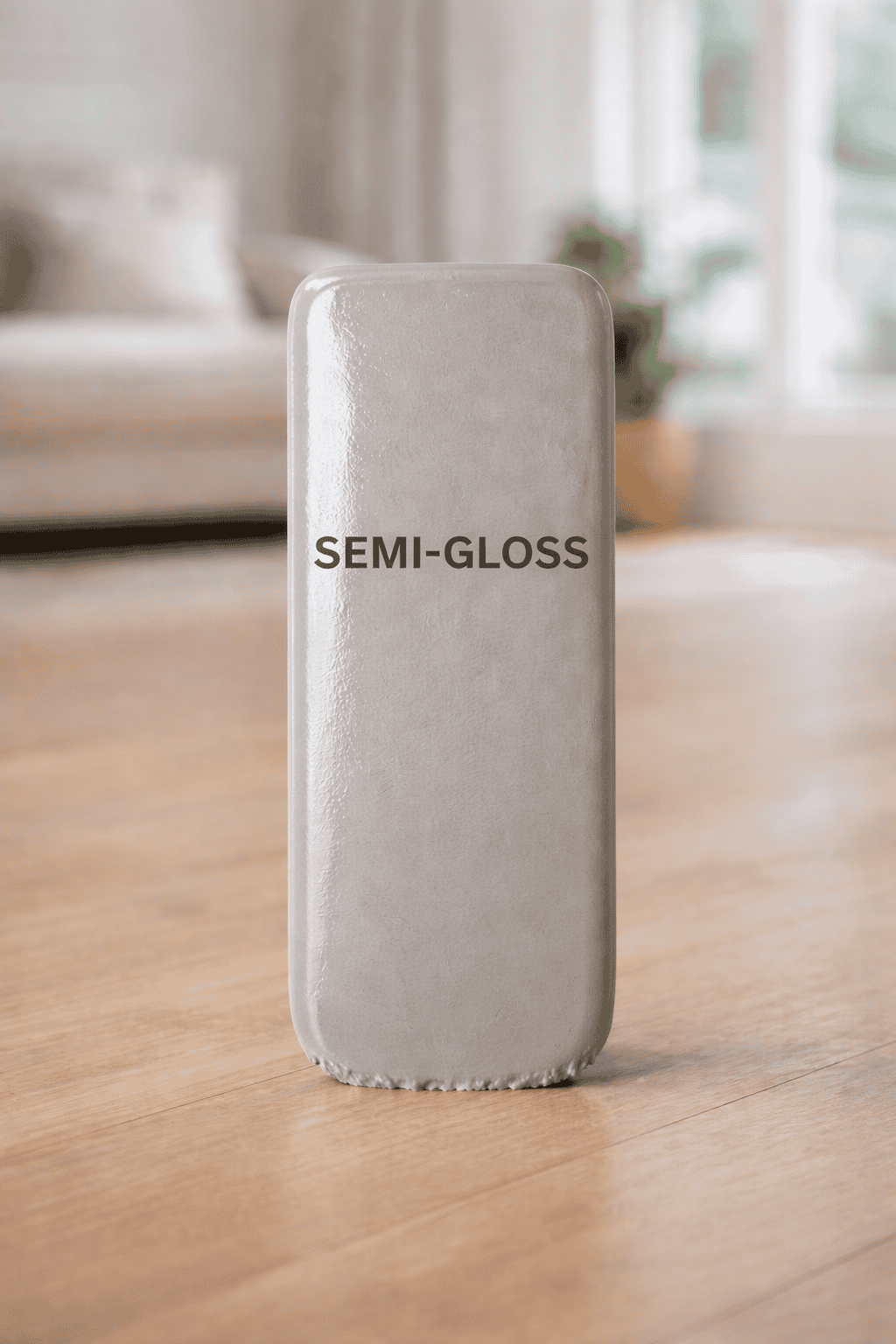
Semi-gloss paint is much shinier than eggshell. You will notice it right away when light hits the surface. That shine comes from higher resin content, which also gives it extra strength.
When looking at eggshell vs. semi-gloss paint, semi-gloss leans heavily toward durability. It stands up to moisture, fingerprints, and frequent cleaning far better than lower-sheen finishes.
Semi-gloss paint is commonly used on:
-
Trim and baseboards
-
Doors and door frames
-
Cabinets and built-ins
-
Bathrooms and kitchens
Its reflective finish highlights edges and details, which is why it works so well on millwork.
Side-by-Side Differences Homeowners Actually Notice
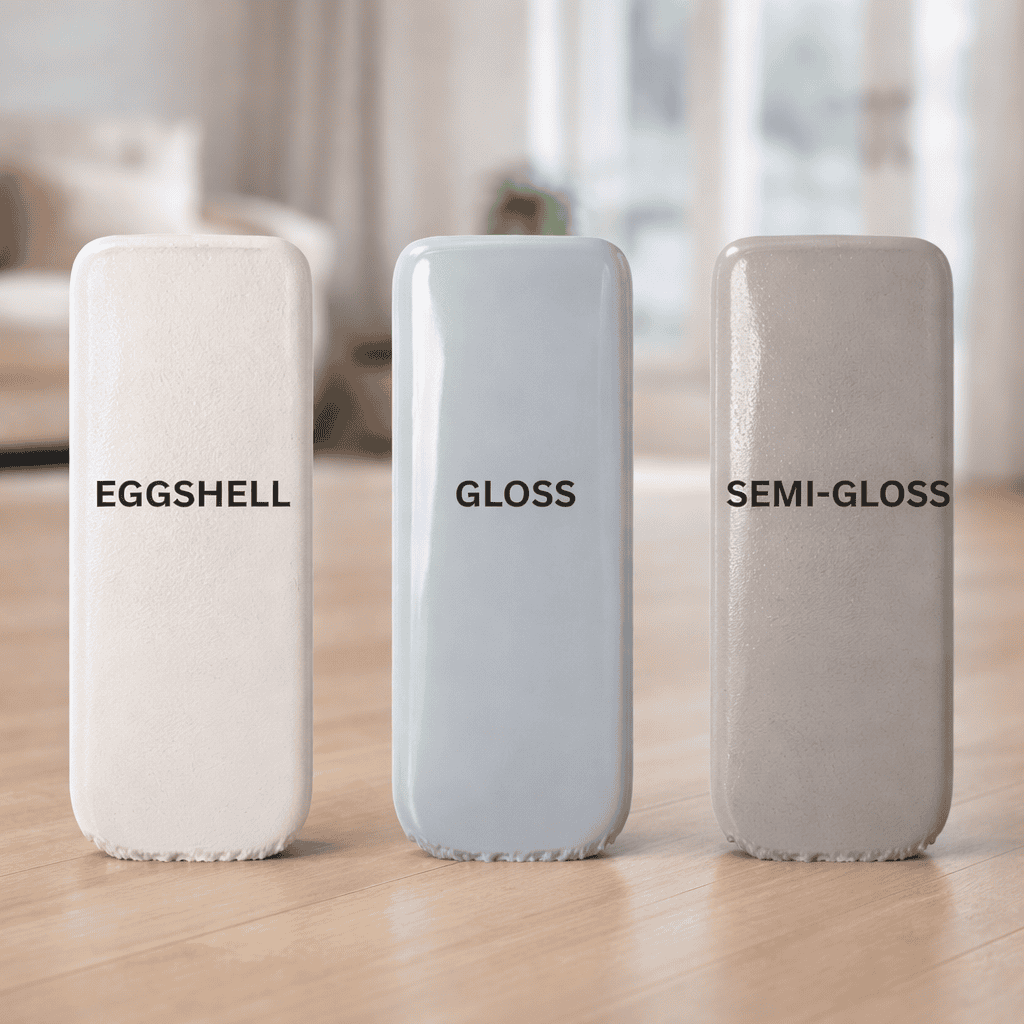
Many descriptions of eggshell vs. semi-gloss paint talk about sheen levels, but homeowners usually notice these differences first.
Appearance And Light Reflection
Eggshell keeps light soft and even. It works well on wide wall surfaces where too much shine would feel distracting.
Semi-gloss reflects a lot more light. On walls, that can feel harsh. On trim, it creates a clean, finished look.
Bold colors tend to show these differences more clearly than neutrals. This is where tools like paint color visualizers can help homeowners picture how sheen changes the final look before painting begins.
Durability And Daily Wear
Semi-gloss handles wear better. It resists scuffs and cleans easily with regular wipe-downs.
Eggshell still holds up better than flat paint, but it is not made for heavy scrubbing. Over time, aggressive cleaning can dull the finish.
Cleaning And Maintenance
This is often the deciding factor in eggshell vs. semi-gloss paint.
Semi-gloss:
-
Wipes clean easily
-
Resists moisture and grime
-
Holds up in busy areas
Eggshell:
-
Cleans gently
-
Better for low to medium traffic areas
-
Can show wear if cleaned too often
Texture And Feel
Eggshell dries smooth and dry to the touch.
Semi-gloss can feel slightly tacky even after drying, especially if coats are applied too quickly. This is normal and tied to how the finish is made.
Where Each Finish Works Best In A Home
Rather than asking which finish is better overall, it helps to ask where it will be used.
Best Uses For Eggshell Paint
Eggshell paint works well in spaces meant for comfort and flow.
Typical areas include:
-
Living rooms
-
Bedrooms
-
Hallways
-
Home offices
-
Dining rooms
It keeps walls looking calm while offering more durability than flat finishes. Homeowners often pair it with lighter colors, especially after learning does paint dry darker or lighter, which helps set expectations once the paint fully cures.
Best Uses For Semi-Gloss Paint
Semi-gloss shines in areas that see moisture, hands, and frequent cleaning.
Ideal spaces include:
-
Kitchens
-
Bathrooms
-
Doors and trim
-
Cabinets
-
Laundry rooms
The added sheen helps protect surfaces and keeps them looking sharp longer.
Eggshell Vs. Semi-Gloss Paint And Room Function
One helpful way to think about eggshell vs. semi-gloss paint is to match the finish to how the room is used.
Rooms where people relax usually benefit from eggshell. Rooms where people touch surfaces often benefit from semi-gloss.
Some homeowners mix finishes within the same room. For example, eggshell on walls and semi-gloss on trim. This creates contrast while keeping maintenance manageable.
If you are comparing finishes beyond these two, guides like satin paint vs. matte paint and sheen finish for each room help clarify where each sheen fits best without overcomplicating the decision.
Cost Differences and Long-Term Value
Eggshell paint usually costs a little less per gallon than semi-gloss. The difference comes from the amount of resin used to create the finish.
For small rooms, the price difference stays minor. For larger projects, it can add up.
That said, finish choice should not be based on cost alone. A finish that wears poorly in a high-use area may lead to repainting sooner than expected. In the long run, choosing the right finish for the space often saves time and money.
Common Mistakes When Choosing Paint Finish
Homeowners often focus on color and overlook finish until late in the process. This leads to a few common issues.
-
Using semi-gloss on large wall areas, which highlights surface flaws
-
Using eggshells in bathrooms or kitchens where moisture is common
-
Expecting eggshell to clean like semi-gloss
-
Choosing sheen without thinking about lighting
Understanding eggshell vs. semi-gloss paint early helps avoid these problems and leads to a smoother result.
Final Thoughts On Eggshell Vs. Semi-Gloss Paint
Choosing eggshell vs. semi-gloss paint comes down to balance. Eggshell offers a soft look that works well on walls where comfort matters. Semi-gloss brings durability and easy cleaning to areas that see more use.
Matching the finish to the space leads to better results that hold up over time. When finishes work with the room instead of against it, the entire home feels more polished. Understanding these differences makes planning easier and helps avoid repainting sooner than expected.
At Magna Painting, we take a thoughtful approach to every project so finishes work with your home, not against it.
Our process includes:
-
Reviewing room use and lighting
-
Helping select the right finish for each surface
-
Preparing surfaces for smooth results
-
Applying paint with consistent coverage
-
Final walkthrough to confirm everything looks right
We proudly serve Boerne, Fair Oaks, Schertz, and the surrounding areas.
If you are planning interior painting and want guidance that feels clear and practical, call us at 210-796-6601 for a FREE estimate.