
Ever looked at your home from the street and felt like something’s missing? Maybe the paint still looks fine, but the trim around your windows has started to fade or peel. It’s a small detail, yet it can change how your whole house feels.
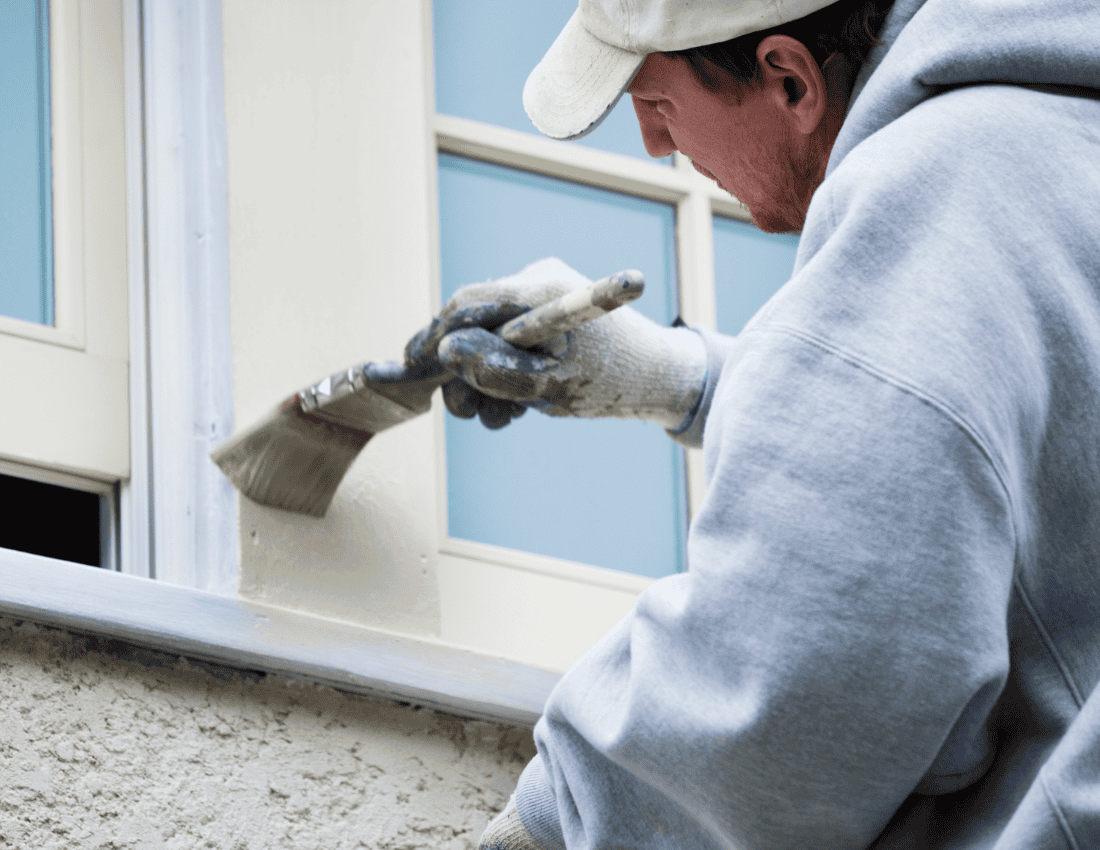
If you’ve been thinking about freshening things up, learning how to paint exterior window trim is a great place to start. It helps protect your home from moisture, heat, and constant sun exposure that we get here in Boerne, TX.
A well-painted trim adds a crisp frame to your windows, keeping your exterior clean and cared for. And when it’s done right, that neat border around your windows becomes one of those subtle touches that make a big difference.
Key Takeaways:
- Cleaning, sanding, and caulking are the foundation of a lasting paint job.
- The right primer improves adhesion and prevents peeling or cracking.
- Acrylic paint and semi-gloss finishes work best for Boerne’s weather.
- Regular upkeep helps your trim resist mildew, rust, and sun damage.
Understanding Exterior Window Trim
Window trim does more than frame your glass. It seals the joint between your siding and windows, keeping out water, dust, and insects. A clean, painted trim not only looks sharp but also prevents long-term problems like mildew, rust, and wood rot.
When maintained regularly, trim can last for decades. Neglect it, and you’ll start to see cracking, peeling paint, and small gaps that let moisture sneak in.
Before getting into the process of how to paint exterior window trim, it helps to know what kind of trim you’re working with.
Types of Exterior Window Trim
Not all trims are made the same, and the material plays a big role in how it should be painted and maintained.
- Wood Trim. Wood is timeless and commonly found on older homes in Boerne. It paints beautifully and gives a classic look, but it also needs more care. Over time, sunlight and rain can cause cracks or peeling paint. A strong primer and durable acrylic paint are key to protecting it.
- Metal Trim (Aluminum or Steel). Metal trim resists rot but can develop rust spots if not sealed properly. Use a rust-inhibiting primer and smooth finish to stop corrosion and improve adhesion.
- Vinyl Trim. Vinyl doesn’t rot or rust, but regular paint doesn’t stick well to its slick surface. To make paint hold, lightly sand the surface and use a primer designed for vinyl before applying your coat of paint.
- Composite or PVC Trim. This type combines wood fibers and resins, making it durable and low-maintenance. A good primer and high-quality acrylic paint work best here too.
Knowing your trim type helps you choose the right tools, paint, and approach for a smooth and lasting result.
How to Paint Exterior Window Trim?
Step 1: Prep And Repair
Every great paint job starts with clean, solid prep work. Our team never skips this step because it directly affects how long the new finish lasts.
- Wash the surface thoroughly to remove dust, dirt, and mildew.
- Scrape away any loose paint using a putty knife or scraper.
- Sand with medium grit (120) to smooth uneven spots, then finish with fine grit (220) for a polished surface.
- Fill small cracks with caulk and patch damaged areas with exterior filler.
- Protect nearby areas using painter’s tape to get sharp lines later.
If you’re unsure how to repair paint damage before starting, our post about how to fix chipped paint can help you understand when sanding or patching is needed.
Step 2: Prime The Surface
Priming is what separates a short-lived paint job from one that lasts through Texas summers.
- Use an oil-based or acrylic bonding primer for wood to seal the grain.
- Apply a rust-resistant primer for metal to stop corrosion.
- For vinyl or PVC, choose a primer made to help paint grip smooth surfaces.
Once dry, check for any missed spots. A consistent primer base will help your new paint stick evenly and cover better. If you’re trying to estimate how much primer or paint to buy, our paint coverage calculator can make planning easier.
Step 3: Pick The Paint And Tools
Now comes the fun part — choosing color and materials.
We recommend acrylic paint because it resists fading and holds up well under heat and moisture. A semi-gloss or satin finish looks clean and makes future cleaning easier.
Use a high-quality angled brush for precise strokes. For large or flat sections, a wider brush helps speed things up without leaving streaks.
If you’re still deciding which shade matches your siding, try paint color visualizer to see how different tones will look in daylight or shade.
Step 4: Apply The Paint
Here’s where technique makes a big difference.
- Start painting from the top of the window trim downward to prevent drips.
- Use light, even strokes to apply the first coat.
- Once the first coat dries, add a second for better coverage and durability.
- Always paint in the same direction as the wood grain for a smoother look.
- Double-check corners and edges for full coverage.
Avoid overloading the brush; two light coats will always last longer than one thick one.
Step 5: Check Problem Areas
While exterior painting, pay attention to details that often get missed.
- Metal trim may show faint rust spots that need spot-priming.
- Wood might absorb more paint in certain areas, calling for a third coat.
- Reapply caulk around joints or window edges if small gaps appear.
If you’re not sure which product to use for your home’s conditions, you can check our article about exterior paint types to compare what holds up best in humid or sunny areas.
Step 6: Clean Up And Inspect
When painting is done, remove tape while the paint is still slightly tacky to avoid peeling off dried paint. Use a damp cloth or razor blade to clean any stray paint on the glass.
Take a step back and inspect the work. Look at it in different lighting conditions throughout the day — early sun, shade, and evening light — to ensure the coverage appears even. Small touch-ups here make a big difference later.
Step 7: Timing, Weather, And Maintenance
Timing your project right helps your paint job last longer. Boerne’s weather can swing between hot afternoons and humid evenings, so aim for mild days when temperatures are between 50°F and 85°F.
Once finished, check your trim each year for fading or peeling. Wiping it clean with a damp cloth occasionally keeps dust and mildew from settling in.
If you’re preparing for a larger repaint project, you can learn more from our post on how much it costs to paint the exterior of a house to plan your budget.
Final Thoughts On Painting Exterior Trim
Knowing how to paint exterior window trim means protecting one of the most important details of your home’s exterior. With the right preparation, primer, and paint, your trim can stay sharp, resist damage, and add value to your home for years.
Here’s what makes our approach stand out at Magna Painting:
- Careful prep and surface cleaning before every project
- Smart product selection for local Boerne conditions
- Smooth, even brushwork with long-lasting finishes
- Detailed inspection and cleanup after painting
If you need exterior painters in Boerne, TX, who focus on quality and detail, contact Magna Painting today. We serve Boerne, Cibolo, Leon Springs, Garden Ridge, TX, and surrounding areas.
Call us at 210-796-6601 for your FREE estimate, and let’s make your home’s exterior look fresh and protected again.