
Paint protects a home in more ways than most people realize. It shields surfaces from moisture, mildew, sun exposure, and everyday wear. At the same time, the materials used during a painting project can affect indoor air quality and environmental impact.
That is why many homeowners are starting to look more closely at sustainable painting practices. The goal is straightforward. Choose materials and methods that reduce chemical emissions, minimize waste, and help paint systems last longer.
A painting project done with sustainability in mind protects the home while also reducing how often surfaces need to be repainted.
Key Takeaways:
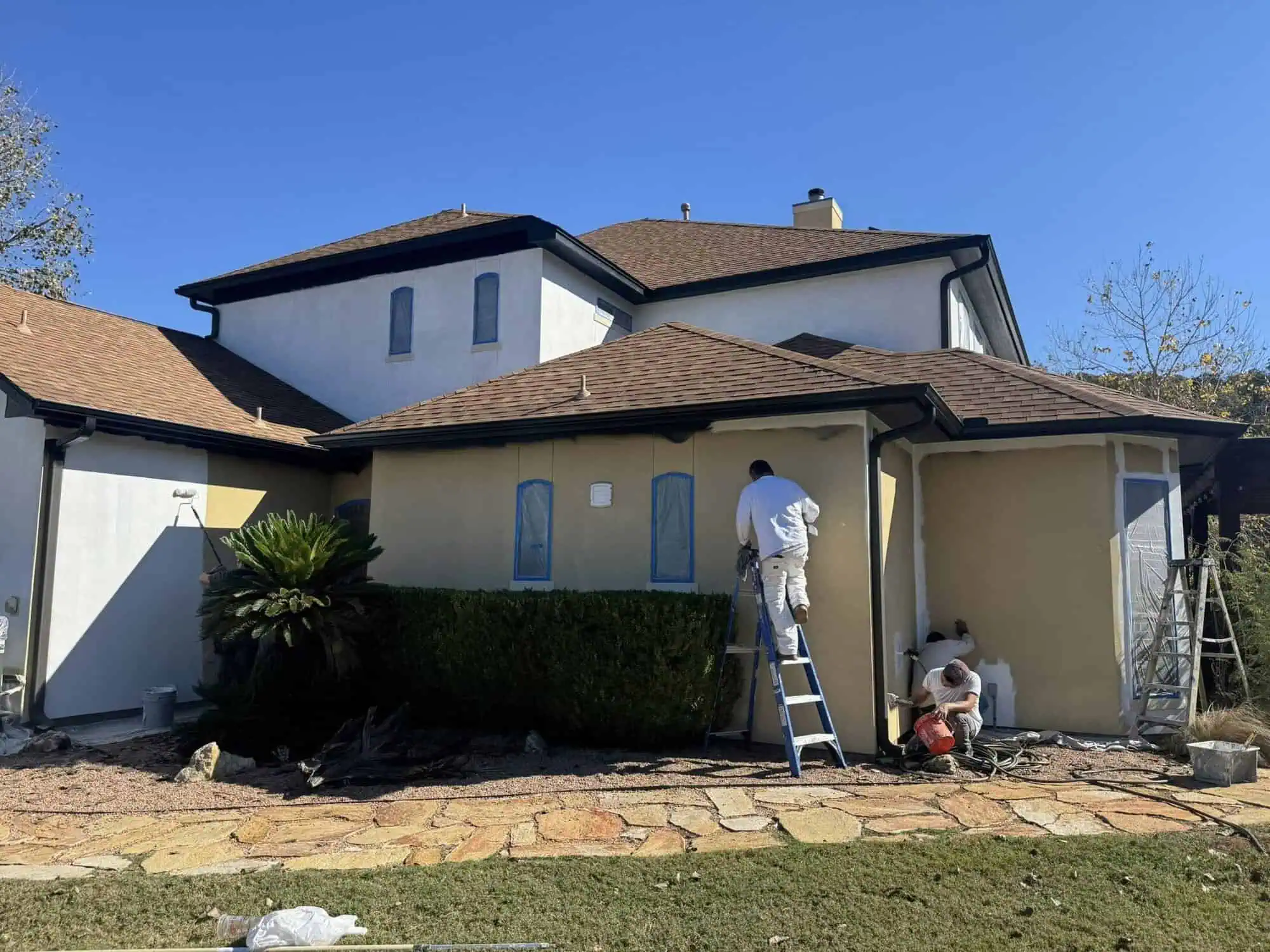
What Sustainable Painting Practices Actually Mean
The idea behind sustainable painting practices is not complicated. It simply means approaching painting projects in a way that reduces environmental impact while still protecting the surface being painted.
That often involves selecting paint products with lower VOCs, properly preparing surfaces, and applying coatings that hold up over time.
Durability is a major part of the conversation. When paint systems last longer, repainting happens less often. That reduces the amount of paint, materials, and labor required over the life of the home.
For many homeowners, sustainable painting also means improving indoor air quality. Modern paint products have improved a great deal over the years, making it easier to balance durability with environmentally responsible materials.
Low VOC Paint And Environmentally Friendly Coatings
One of the biggest changes in the painting industry has been the development of low VOC coatings.
Volatile organic compounds are chemicals that are released into the air as paint dries. Older oil-based paint systems often contained high VOC levels, producing strong odors and contributing to indoor air pollution.
Modern paint products are designed differently.
Water-based acrylic paint and latex coatings have become common choices for interior and exterior painting projects. These paints still offer strong adhesion and color durability while producing fewer airborne chemicals during the drying process.
Many manufacturers, including brands such as Behr, now produce coatings designed with lower VOC levels and environmentally friendly formulas. Because of these improvements, modern coatings support sustainable painting practices while still protecting surfaces like wood, drywall, siding, and masonry.
Surface Preparation Has A Big Impact On Sustainability
Preparation often determines how long paint will last.
When surfaces are not properly prepared, even high-quality paint may fail early. That can lead to peeling, cracking, or uneven coverage.
Professional painters typically spend a large portion of the project preparing surfaces before applying paint.
Preparation may include cleaning dust and mildew from surfaces, sanding rough areas with sandpaper, and repairing dents or cracks with a putty knife. These steps create a smooth surface that allows paint to bond properly.
Primer is another important step in the preparation process. A good primer improves adhesion and helps the finish coat bond evenly to surfaces like drywall, wood, metal, or concrete. Because preparation improves durability, it is closely tied to sustainable painting practices.
Types Of Paint Primers
Primer plays a major role in paint durability. Without the correct primer, paint may struggle to adhere to the surface.
A well-chosen primer creates a stable base for the paint system and prevents stains from bleeding through the finish coat.
Different surfaces require different types of primer.
Acrylic Latex Primer
Acrylic latex primer is one of the most common options used today.
This primer works well on drywall, wood, and previously painted surfaces. It is water-based, which means it generally produces fewer volatile organic compounds compared to many oil-based primers.
Because of its versatility and lower emissions, acrylic latex primer is widely used in environmentally friendly paint systems.
Bonding Primer
Bonding primer is designed for surfaces that paint normally struggles to stick to.
Examples include glossy trim, tile, or surfaces that have been previously coated with slick finishes. Bonding primers help the paint grip the surface more effectively.
Stronger adhesion allows the paint system to last longer, which supports sustainable painting practices.
Stain Blocking Primer
Stain-blocking primers are used when surfaces contain discoloration from water damage, smoke, or wood tannins.
Without a stain-blocking primer, these stains may bleed through the finish coat. Applying the correct primer creates a clean surface for painting and prevents the stains from returning.
These primers are commonly used on drywall ceilings, wood trim, and interior walls.
Masonry And Concrete Primer
Brick, stucco, and concrete surfaces require primers designed for porous materials.
These primers help seal the surface so paint adheres evenly. They also improve durability on exterior surfaces that face moisture and weather exposure.
Using the correct primer helps paint systems last longer on masonry surfaces.
Choosing The Right Paint For Each Surface
Not every surface responds to paint the same way. Matching the coating to the material underneath improves durability and helps paint systems last longer.
Exterior materials such as siding, stucco, brick, and concrete often require coatings designed to resist sun exposure and moisture.
Interior walls and ceilings may prioritize durability and washability.
Common paint systems used in sustainable projects include:
- Acrylic paint for drywall and ceilings
- Latex paint for siding and trim
- Rust-resistant paint for metal surfaces
- Specialized coatings for masonry and concrete
Paint finish also matters. Satin and eggshell finishes are often used on interior walls because they balance durability and appearance. Gloss finishes are frequently used on trim and doors because they resist moisture and are easier to clean.
Selecting the right paint type for the surface is a major part of sustainable painting practices.
Managing Paint Waste During A Project
Another part of sustainability involves how materials are handled during a painting project.
Accurate planning helps reduce unnecessary waste. Contractors often calculate paint coverage based on square footage, surface condition, and the number of coats required.
When extra paint remains, it can often be stored for future touch ups. Proper storage allows paint to remain usable for years.
Many communities also offer paint recycling programs. These programs help keep unused paint out of landfills and allow certain materials to be reused.
Responsible material management supports the broader goal of sustainable painting practices.
Why Long-Lasting Paint Systems Matter
Durability is one of the biggest reasons sustainable painting has gained attention.
If paint fails after only a few years, surfaces must be repainted sooner. That increases material use, labor, and waste.
A durable paint system usually includes a primer and two coats of finish paint. These layers work together to create a protective barrier against moisture, sun exposure, and mildew.
Exterior surfaces such as siding, brick, and stucco benefit from coatings designed to resist weather conditions. When paint systems last longer, fewer resources are needed over time. That is why durability remains central to sustainable painting practices.
A Practical Approach To Sustainable Painting
Sustainability in painting comes from the entire process working together. Product selection, preparation, and application all influence the final result.
When these steps are handled properly, coatings last longer and surfaces remain protected for many years.
At Magna Painting, our painting process focuses on durability and responsible product selection so your home receives a finish designed to perform over time.
Our typical approach includes:
- Inspecting surfaces carefully before work begins
- Cleaning and preparing surfaces to improve adhesion
- Selecting primer systems designed for the material
- Applying high-quality acrylic paint products with lower VOC levels
- Using consistent application methods for durable coverage
Painters in San Antonio, TX often consider factors such as sun exposure and temperature when selecting coatings. Choosing the right paint system for the climate allows surfaces to stay protected longer.
If you are planning a painting project and want a finish that holds up over time, Magna Painting is ready to help.
Call us at 210-796-6601for a FREE estimate and learn how our professional team can bring lasting protection and color to your home.