
How long does interior paint last before your walls actually need another coat? A calendar cannot tell you what a hallway, bedroom, or bathroom has been through. One room may still look clean after years of use, while another already has stains, scratches, or peeling paint.
For Shavano Park homeowners, the better question is what the current finish is telling you. Magna Painting explains the signs worth checking, what makes paint wear sooner, and when a touch-up is enough instead of repainting an entire room.
Age Is a Clue, Not a Repainting Deadline
Interior paint is often discussed in terms of a five-to-ten-year range, but that is only a rough planning guide. A seldom-used bedroom may stay presentable for longer. A busy hallway may show wear much sooner, even if both rooms were painted on the same day.
Look at adhesion, color, visible repairs, and how the finish responds to normal cleaning. If the coating remains firmly attached and looks consistent, there may be no reason to replace it solely because of its age.
When you need an assessment of several rooms, our interior house painting services can help you plan the work around the surfaces that actually need attention.
Five Signs Your Interior Walls Are Ready for Attention
1. Peeling or bubbling: Paint lifting away from the wall can point to moisture or adhesion problems. Find and correct the cause before repainting.
2. Stains that remain after gentle cleaning: Cooking residue, water marks, or fingerprints may leave a surface looking worn. Water stains need the source checked, not just covered.
3. Color differences: A wall near a sunny window may look different from the area behind furniture or artwork. Uneven fading can make isolated touch-ups stand out.
4. Too many visible patches: Changes in sheen, texture, or paint age can leave small repairs easy to spot. Repainting the wall to a natural break may look more consistent.
5. A room that no longer fits your plans: You can repaint for a new color or finish without waiting for the old paint to fail.
Why Hallways Can Wear Out Before Guest Bedrooms
Think about where hands, bags, furniture, and pets regularly touch the walls. Hallways, stairways, and family spaces often have more contact than guest bedrooms or rooms used occasionally.
A wall around a light switch may have dozens of small marks while the opposite wall still looks new. That is a reason to inspect each surface separately, not a reason to repaint the entire house.
When deciding what to do next, look at how large the worn area is and whether careful cleaning changes the appearance. The answer may be a small repair, one wall, or the full room.
Bathrooms and Kitchens Have a Different Problem: Moisture and Residue
Kitchens are exposed to grease and frequent wiping. Bathrooms are exposed to humidity and condensation, especially when ventilation is limited. These conditions can affect both the appearance and adhesion of the paint.
A suitable coating helps, but it cannot repair a leak or overcome persistent moisture. Address the source of water damage and allow the substrate to dry before painting.
For product and finish considerations, see our guide to bathroom wall and ceiling paint. The correct finish depends on the room and the specific coating, not just on whether the label says satin or semi-gloss.
Check the Existing Paint Before You Recoat It
New paint needs a sound surface. Loose coating, grease, dust, unsealed patches, and glossy areas can create problems even if the finish coat itself is good quality.
Cleaning and repairs come first. Sanding or primer may be appropriate for certain repairs, surface types, stains, or coating systems, but those steps should follow the condition of the wall and the product instructions.
Our article on painting over existing paint explains how to assess the old coating rather than simply hiding every flaw beneath a new one.
A Touch-Up Can Help, but It Will Not Always Disappear
Small scuffs and nail holes may be suitable for isolated repairs when the surrounding paint is sound. The original color information, sheen, and application method can improve the match.
Touch-up paint can still look different after the existing wall has aged or been cleaned repeatedly. If several patches are visible under normal room lighting, repainting the wall from corner to corner often gives a more uniform appearance.
Do not judge a fresh touch-up while it is still wet. Follow the coating instructions, allow it to dry, and evaluate the finish under the light you normally use in the room.
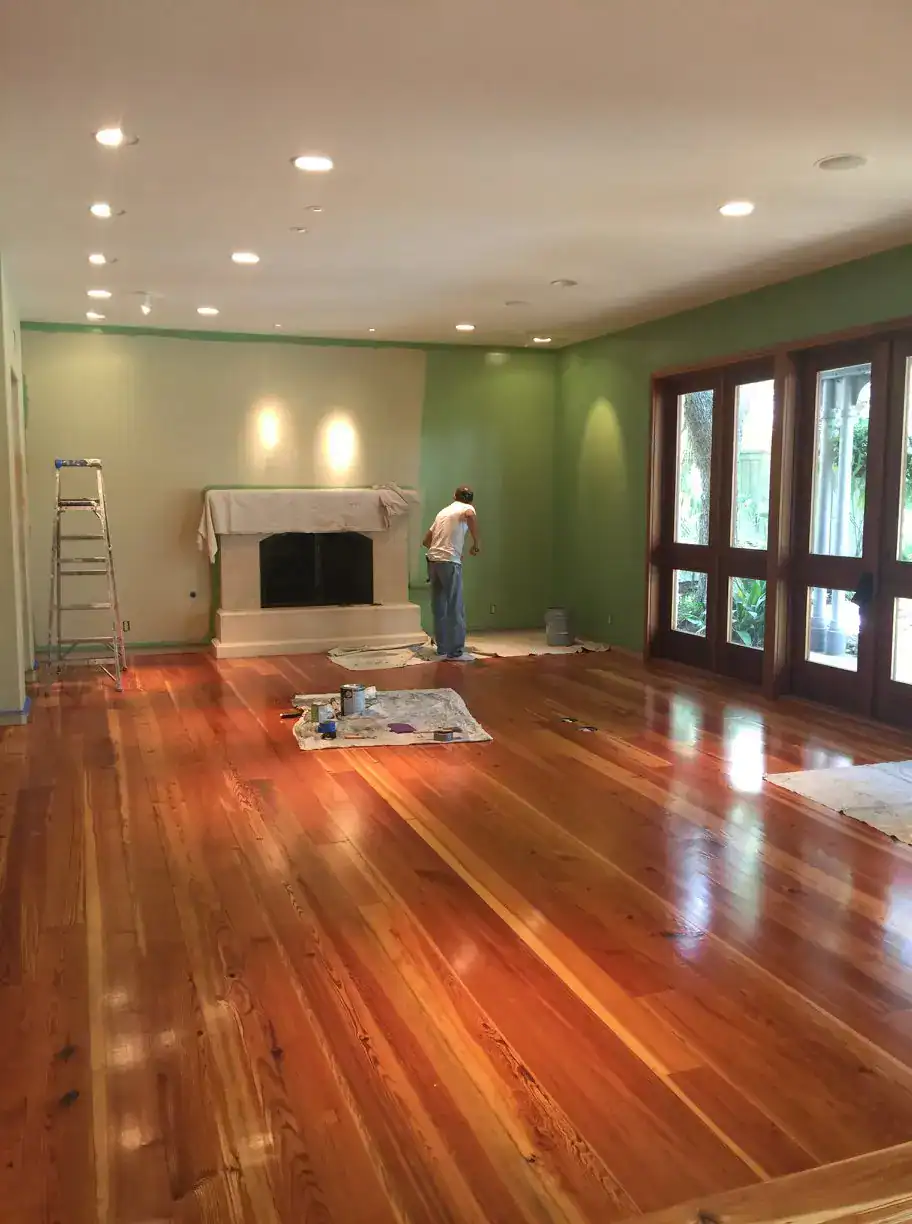
Paint Selection Affects How Long the Finish Stays Presentable
A quiet bedroom and a frequently cleaned kitchen may benefit from different products. Washability, stain resistance, sheen, and the condition of the wall all influence which coating makes sense.
Lower-sheen finishes can make minor wall defects less noticeable, while higher sheen can reflect more light and reveal surface flaws. However, the exact paint formulation matters too; do not assume every flat paint is fragile or every shiny paint is suitable for every room.
For more guidance on preparation and finish choices, read our interior painting tips before selecting products.
Cleaning Habits Can Protect or Wear Down Painted Walls
Use a soft cloth and a cleaning method approved for the paint. Harsh cleaners or aggressive scrubbing can change the sheen, especially on less washable finishes.
Keep furniture from rubbing against the wall, address spills promptly, and manage humidity in kitchens and bathrooms. Record the product and color used so future repairs can be planned accurately.
Fresh paint also needs time to cure before washing. The dry-to-touch time is not necessarily the same as the full cure time, so follow the label rather than guessing.
Repainting in Shavano Park: Start With the Rooms That Need It
For a Shavano Park home, start with a daytime walkthrough. Inspect walls beside windows, near doors, behind furniture, and around light switches. Make a short list of the rooms where damage or uneven color is actually visible.
You can often schedule interior painting throughout the year, although indoor humidity, temperature, ventilation, and the product requirements still affect the work. When requesting an estimate, explain whether you need one wall, one room, or several connected rooms.
Magna Painting serves Shavano Park homeowners and surrounding Greater San Antonio communities. We can assess the scope, discuss the surface preparation, and provide a written estimate before work begins.
What Magna Painting Brings to an Interior Repaint
Magna Painting has served the Greater San Antonio area since 2017. Our website describes licensed and insured service, free estimates, clear communication, floor and furniture protection, and cleanup after the project.
We also list a two-year workmanship warranty and a touch-up kit as part of our customer service information. Ask our team about the terms that apply to your specific project.
Whether the walls are showing their age or you want a different color, we can review what needs repainting and explain the work involved before you decide.
Frequently Asked Questions
Can interior paint last longer than ten years?
Yes. A sound coating in a low-use room may remain presentable beyond ten years. Age is less useful than signs of peeling, fading, staining, and wear.
How often should I repaint a busy hallway?
There is no fixed interval. Check whether scuffs still clean away and whether the finish has worn thin or become patchy. Frequent contact may lead to repainting sooner than in a guest room.
Does sunlight make interior paint fade?
It can. Sun exposure may change some paint colors over time, which can be more visible when furniture or wall art is moved.
Can I paint directly over old wall paint?
Often, if the old coating is clean, sound, and compatible with the new product. Loose paint, stains, glossy surfaces, and repairs may require additional preparation or primer.
Is it better to touch up or paint the whole wall?
Touch up small isolated defects when the surrounding finish remains consistent. If multiple repairs are visible or the color has changed, recoating the full wall may give a more even appearance.