
Interior painting tips are not about shortcuts or trendy tricks. They are about knowing what actually affects the final result once the furniture is back in place and the lights are on. Most homeowners only see the last coat, but the outcome is shaped long before any paint goes on the wall.
This guide breaks down interior painting tips that focus on preparation, materials, timing, and finish choices.
Key Takeaways:

Why Interior Painting Results Are Decided Before The First Coat
One of the most overlooked interior painting tips is that most issues show up because of what happened before paint was applied. Walls carry dust, oils, minor dents, and old layers that affect adhesion and texture.
Interior spaces also hold moisture differently than exterior areas. Bathrooms, kitchens, and laundry rooms deal with water vapor and mildew risk. Living rooms and bedrooms reveal shadows, roller marks, and sheen changes once lighting shifts throughout the day.
That is why interior painting tips always start with surface condition. A smooth wall with the right primer creates a stable base so the paint dries evenly and looks consistent from corner to corner.
Surface Prep That Makes Paint Look Even And Intentional
Prep is not glamorous, but it drives the final look. Interior painting tips always come back to how well the surface is repaired, cleaned, and leveled.
Walls often need attention in these areas:
- Nail holes and small cracks from picture hooks or furniture bumps
- Dents along hallways and stairwells
- Grease or residue near windows, light switches, and kitchen walls
After repairs, sanding creates uniform texture so paint bonds properly. This matters even more when working over satin or gloss finishes, where adhesion can fail without surface scuffing.
A proper primer layer also plays a role. Primer helps lock down repairs, blocks stains, and reduces uneven absorption. In rooms with moisture or mildew history, primer selection becomes even more important.
Choosing Paint Types That Match The Room
Not all paint behaves the same once it dries. One of the most useful interior painting tips is matching paint type to how the room is used.
Latex paint remains the most common choice for interior walls due to easy cleanup with water and low volatile organic compound levels. Acrylic paint offers strong durability and flexibility, which helps in rooms with temperature shifts.
Oil based paint still has a place on trim or doors in certain cases, though drying time and odor make it less common inside homes today.
Paint selection also matters when surfaces change. Masonry, concrete, and brick found on interior accent walls or fireplaces need coatings with proper adhesion. Siding materials brought indoors for design features also require specific primers.
Finish Selection Shapes The Way Color Is Seen
Finish affects how light moves across a wall. Interior painting tips often stress that sheen choice matters just as much as color choice.
Lower sheen finishes soften wall flaws and create a calm look in bedrooms or living areas. Higher sheen finishes reflect light and handle moisture better but show surface imperfections more clearly.
Understanding how sheen interacts with lighting helps avoid surprises. That is why discussions around satin paint vs. matte paint and eggshell vs. semi-gloss paint come up often during planning.
Finish choice also impacts maintenance. Areas near windows, doors, and porches see more contact and benefit from finishes that clean easily without dulling.
Color Planning That Holds Up Over Time
Color selection is one of the most personal parts of interior painting, yet it causes the most second guessing. Interior painting tips around color focus on lighting, surrounding materials, and finish.
Natural light changes throughout the day. Artificial lighting can shift color warmth or coolness. Even nearby surfaces like roof lines seen through windows or exterior siding can influence how interior color reads.
Many homeowners are surprised when walls dry differently than expected. That is why questions like does paint dry darker or lighter come up so often. Visual planning tools help narrow choices before application, which is where tools like a paint color visualizer fit naturally into the process.
Color scheme planning also extends to ceilings and trim. Gloss levels and undertones should complement each other rather than compete.
Managing Moisture In Kitchens And Bathrooms
Bathrooms and kitchens require extra planning. Water, steam, and temperature changes challenge paint performance in these rooms.
Interior painting tips for these spaces focus on mildew resistance, proper primer, and finish choice. Satin or semi gloss finishes are common because they resist moisture and clean easily.
Ceilings also need attention. Standard flat ceiling paint may fail in high-humidity rooms. Guidance around the best paint for bathroom walls and ceiling often includes specialty coatings designed for these conditions.
Ventilation plays a role as well. Proper airflow during drying helps paint cure evenly and reduces moisture-related issues later.
Clean Edges And Consistent Coverage Come From Order
Sequence matters. One of the most practical interior painting tips is working in a logical order so drips and overlap do not ruin finished areas.
Professionals follow a pattern:
- Cut in edges and corners first
- Paint ceilings before walls
- Complete walls before trim and doors
This approach limits touch-ups and keeps lines crisp. Windows, baseboards, and door frames require patience and the right brush size to avoid buildup or streaking.
Loading rollers correctly also affects coverage. Too much paint causes drips and uneven texture. Too little leads to patchy coats. Balanced application creates a smooth, uniform finish.
Drying Time Is Not Just A Waiting Game
Drying time affects how the paint levels and cures. Interior painting tips often stress patience here because rushing leads to marks and inconsistent sheen.
Humidity, temperature, and airflow all influence drying. Latex paint dries faster but still needs proper cure time before additional coats or reinstalling fixtures.
Between coats, tools should be protected to avoid drying out. Covering rollers and brushes keeps consistency without introducing debris into fresh paint.
How Product Choice Impacts Longevity
Paint quality plays a role in durability. While brand names vary, interior painting tips focus on formulation rather than labels.
Higher quality paints provide better coverage per coat, stronger adhesion, and longer color stability. Environmentally friendly options also reduce odor and volatile organic compound exposure during and after painting.
Specialty paints exist for unique surfaces like interior masonry, concrete floors, or porch areas enclosed within the home. Even exterior paint types may appear in discussions when addressing interior accent materials, though interior specific products are usually preferred.
Interior Painting Tips That Reduce Long-Term Maintenance
Long-term performance matters just as much as day one appearance. Interior painting tips that focus on durability help reduce repaint cycles and touch ups.
Key factors include:
- Using a primer where repairs or color changes exist
- Selecting finishes suited to traffic and moisture
- Allowing full cure time before heavy use
Trim, doors, and high-contact areas benefit from coatings that resist scuffs and clean easily without dulling.
Final Thoughts On Planning Your Interior Painting Project
Understanding interior painting tips also means knowing how professionals approach the work. A structured process removes guesswork and keeps results consistent.
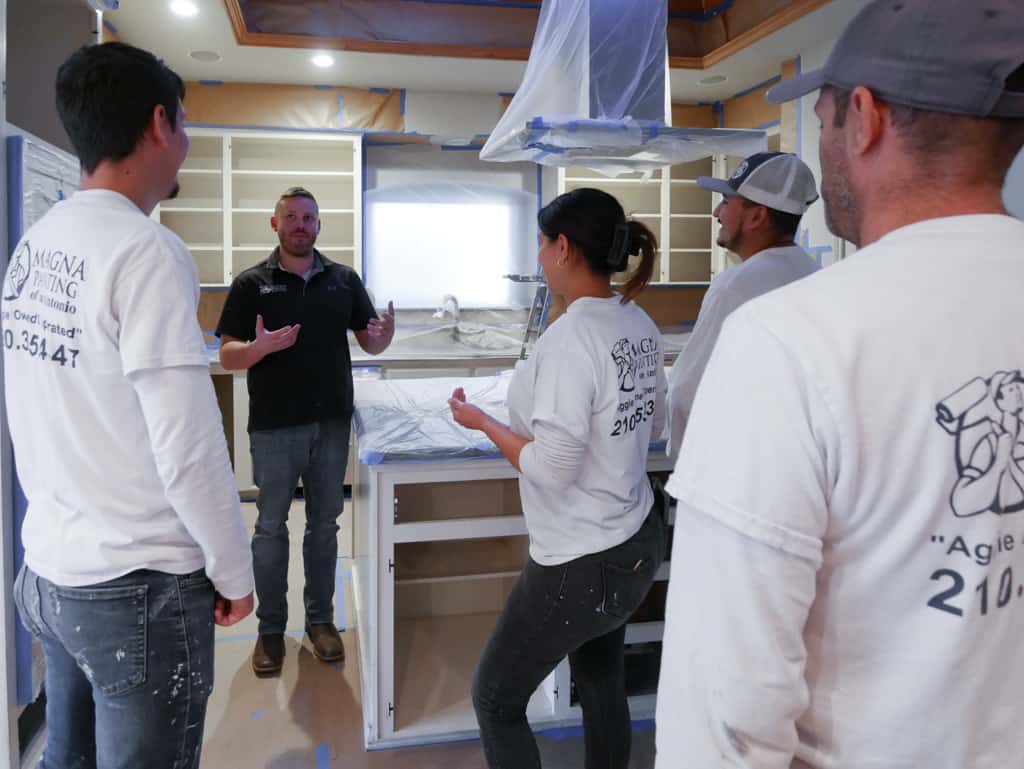
At Magna Painting, interior projects follow a clear sequence that prioritizes preparation and finish quality. This approach is especially helpful for homeowners working with painters in Fair Oaks, TX where homes often include varied lighting, open layouts, and mixed materials.
Our interior painting process:
- Protect floors, windows, and fixtures before work begins
- Repair, sand, and prime surfaces based on condition and material
- Apply paint in the proper order for clean lines and even coverage
- Allow appropriate drying time between each coat
- Final walkthrough to confirm consistency and detail
This process supports the interior painting tips shared throughout this guide while keeping disruption minimal.
If you are planning an interior project and want a clear process from start to finish, Magna Painting is here to help homeowners in Fair Oaks, TX and the surrounding areas.
Call us at 210-796-6601 for a FREE estimate and get straightforward guidance built around proven interior painting tips.